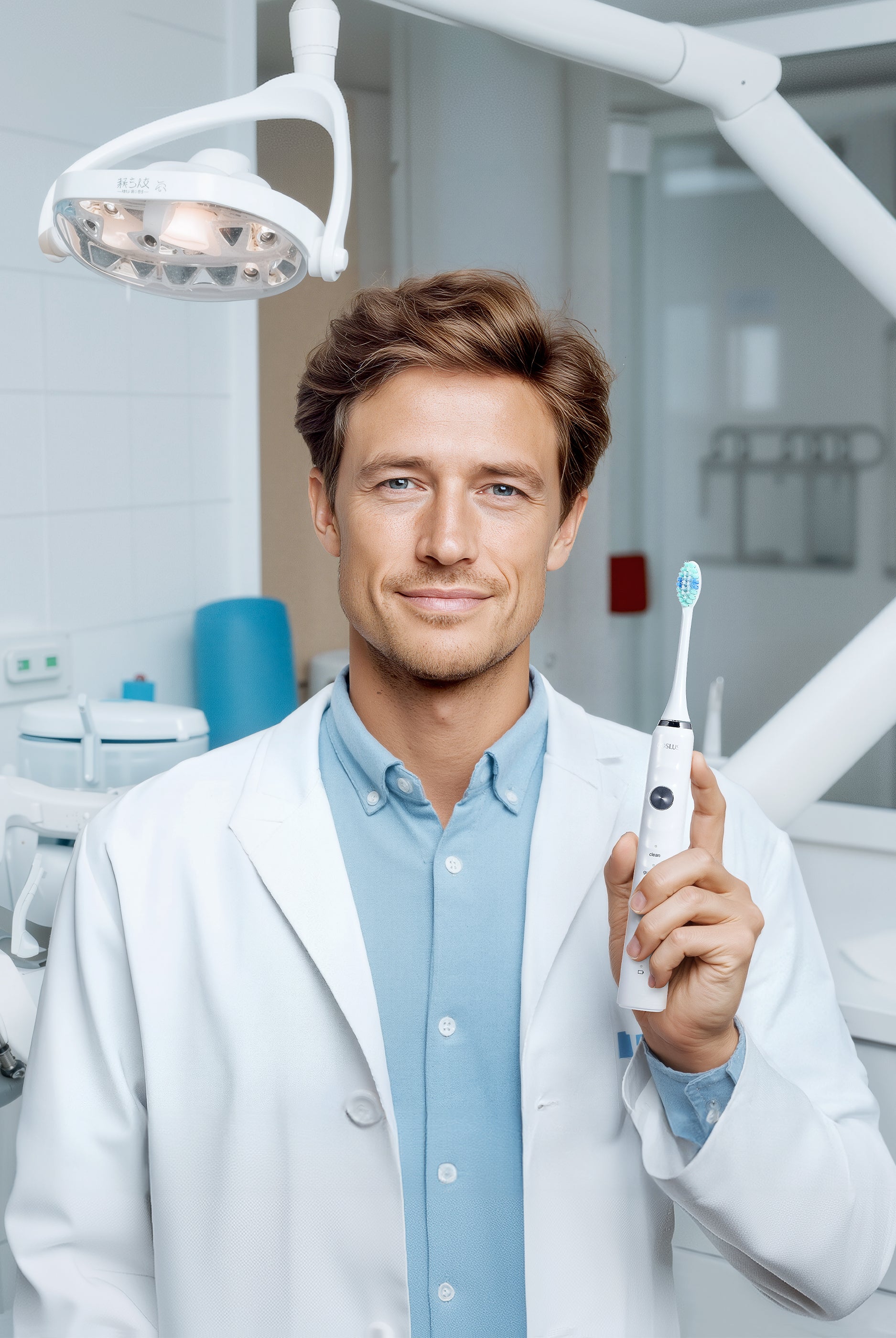
How to Keep Your Toothbrush Battery Healthy
Your electric toothbrush battery is what keeps everything running, but most people don't think about taking care of it until it starts dying too quickly. Good battery habits can double or even triple how long your toothbrush lasts before you need a replacement. A few simple practices will keep your battery strong and your toothbrush reliable.
Follow Smart Charging Habits
Give your new toothbrush a full charge before using it for the first time—this helps the battery reach its full potential right from the start. Try not to top off the battery constantly with short charging sessions, as this can actually wear it out faster over time. Instead, let it run down to about 20-30% before charging it back up fully. Some manufacturers recommend letting the battery drain completely once a month, so check your manual to see what works best for your specific model.
Keep the Charging Contacts Clean
Those little metal contacts where your toothbrush sits on the charger can get gunky with toothpaste residue, soap scum, and general bathroom grime. When they're dirty, your toothbrush won't charge properly and the battery will suffer. Once a week, unplug your charger and gently wipe both the contacts on the toothbrush handle and the charger base with a dry cotton swab or soft cloth. If there's stubborn buildup, use a slightly damp cloth but make sure everything is completely dry before plugging back in.
When Should You Replace Your Brush Head?
A healthy battery will keep your toothbrush running strong, but even the best-maintained toothbrush needs new brush heads regularly. Most people wait way too long to replace their brush heads, which means they're not getting the clean they think they are.
Follow the Three-Month Rule
Replace your brush head every three months, even if it still looks okay to you. This isn't just a marketing trick—dental professionals recommend this timeline because bristles lose their effectiveness long before they look obviously worn out. Many brush heads come with indicator bristles that fade from blue to white when it's time for a change, which takes the guesswork out of timing. If you're recovering from being sick, replace the brush head right away to avoid reinfecting yourself.
Watch for These Warning Signs
Your brush head will tell you when it's time to go, even before the three-month mark hits. Look for bristles that are bent, frayed, or splaying outward instead of standing straight up—this means they're not cleaning effectively anymore. If you notice your teeth don't feel as clean after brushing, or if your brush head has a smell that won't go away even after cleaning, it's definitely time for a replacement. Some people need to replace their brush heads more often if they brush aggressively or have particularly hard water that wears down the bristles faster.